
Colombian Musical Instruments: Gaitas, Drums, Maracas, and the Sound of the Caribbean Coast
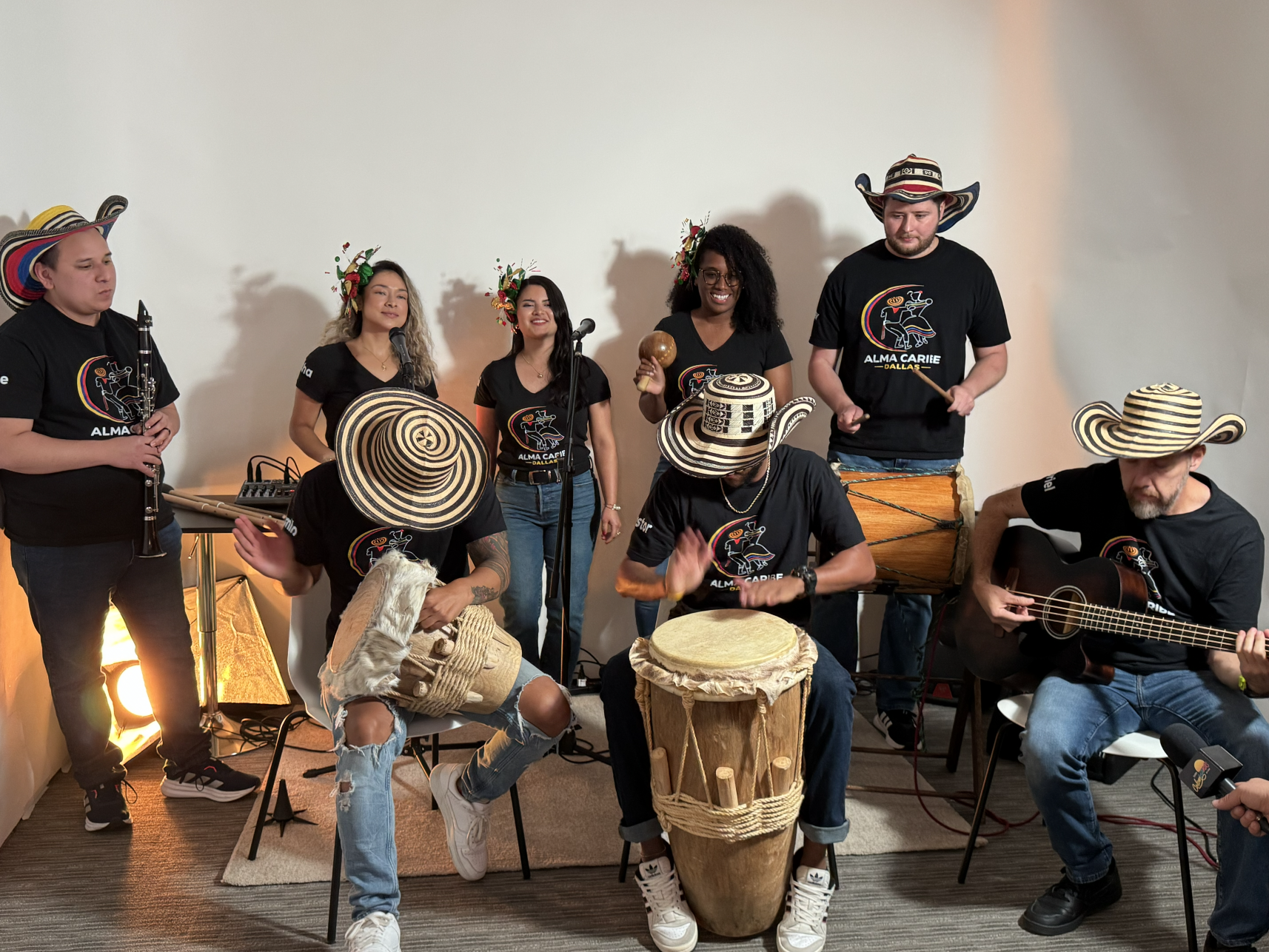
Colombian folk music does not come from one single source. It comes from a meeting of worlds: Indigenous wind instruments, Afro-Colombian drums, Spanish-language song traditions, regional dance, religious and community gatherings, and the creativity of musicians who carried these sounds from small towns to festivals, recordings, and stages around the world.
Along Colombia’s Caribbean coast, that history can be heard in a traditional ensemble. The sharp, reedy voice of the gaita carries the melody. The caña de millo cuts through with a bright, buzzing sound in many cumbia traditions. The tambor alegre answers with movement and improvisation. The tambor llamador keeps the pulse steady. The maraca adds a constant rhythmic shimmer. In many contemporary performances, the tambora brings a deeper low end that gives the group more weight and projection.
And sometimes, Colombian folk music comes from something even simpler: a leaf held between the lips. The hojita shows how deeply this music is connected to the natural materials and everyday creativity of rural communities.
Together, these instruments form one of the most recognizable sound worlds in Colombian folklore.
But there is an important detail that often gets missed: the instruments people see together on stage today were not always grouped the same way. Some belong to older gaita traditions. Others became more common later, as the music moved into larger performance spaces and came into contact with other coastal Colombian ensembles.
Quick Guide
Colombian Folk Instruments
A simple guide to each instrument’s role in traditional Colombian Caribbean music and the cultural roots behind its sound.
| Instrument | Main Role | Cultural Root |
|---|---|---|
| Gaita hembra | Lead melody | Indigenous Colombian tradition |
| Gaita macho | Accompaniment and repeated patterns | Indigenous Colombian tradition |
| Caña de millo | Lead melody in millo/cumbia ensembles | Indigenous Colombian Caribbean tradition |
| Maraca / maracón | Pulse and rhythmic texture | Indigenous rattle tradition |
| Tambor alegre | Lead drum, improvisation, rhythmic conversation | Afro-Colombian tradition |
| Tambor llamador | Timekeeping drum, steady pulse | Afro-Colombian tradition |
| Tambora | Deep bass drum, projection, low rhythmic support | Afro-Colombian coastal tradition |
| Gaita corta | Single-flute tradition connected to coastal repertoire | Colombian coastal flute tradition |
| Hojita | Leaf instrument used to play melodies | Rural and traditional Colombian music-making |
These instruments are often connected to cumbia, gaita music, porro, bullerengue, fandango, and other traditional music from Colombia’s Caribbean region.
What Are Colombian Folk Instruments?
Colombian folk instruments are traditional instruments used in the country’s regional music, dance, and community traditions. Because Colombia is so culturally diverse, the instruments change from region to region. The Caribbean coast has one sound world. The Pacific coast has another. The Eastern Plains, the Andes, and Indigenous territories each have their own musical languages as well.
This page focuses mainly on instruments strongly associated with Colombian Caribbean folk music, especially gaita, cumbia, porro, and related coastal traditions.
In this tradition, some instruments are melodic, like the gaita hembra, gaita macho, caña de millo, gaita corta, and hojita. Others are percussive, like the tambor alegre, tambor llamador, tambora, and maraca. What makes the ensemble powerful is not just the sound of each instrument by itself, but the way the instruments answer and support one another.
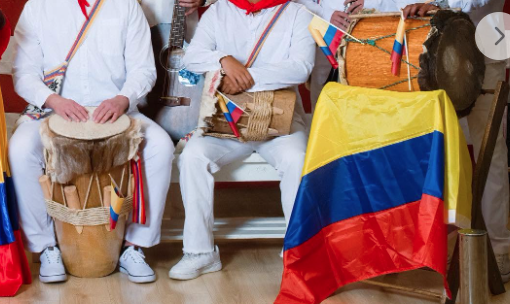
Gaita: The Indigenous Flute at the Heart of Colombian Caribbean Music
The gaita is one of the most iconic Colombian folk instruments. It is a traditional wind instrument of Indigenous origin, especially associated with Colombia’s Caribbean coast.
Traditional gaitas are made from natural materials. The body is commonly made from cardón cactus, the head from a mixture of beeswax and charcoal, and the mouthpiece from a bird feather quill. The sound is raw, nasal, direct, and unmistakable. It can feel almost vocal, which is part of why the instrument is so expressive in traditional music.
The Indigenous names for related instruments include kuisi bunsi and kuisi sigi, sometimes written in slightly different ways depending on the source. Gaita traditions are especially connected with Indigenous peoples such as the Kogui, Ika or Arhuaco, and Guna or Cuna. Broader regional histories of the Caribbean coast are also often discussed alongside Zenú heritage, though the exact relationships vary by source, place, and tradition.
Early gaita melodies are often described as being close to nature, especially birdsong. Over time, the instrument became part of a broader musical conversation with Afro-Colombian percussion traditions. That meeting of flute and drum helped create the sound now closely linked to Colombian Caribbean folk music.
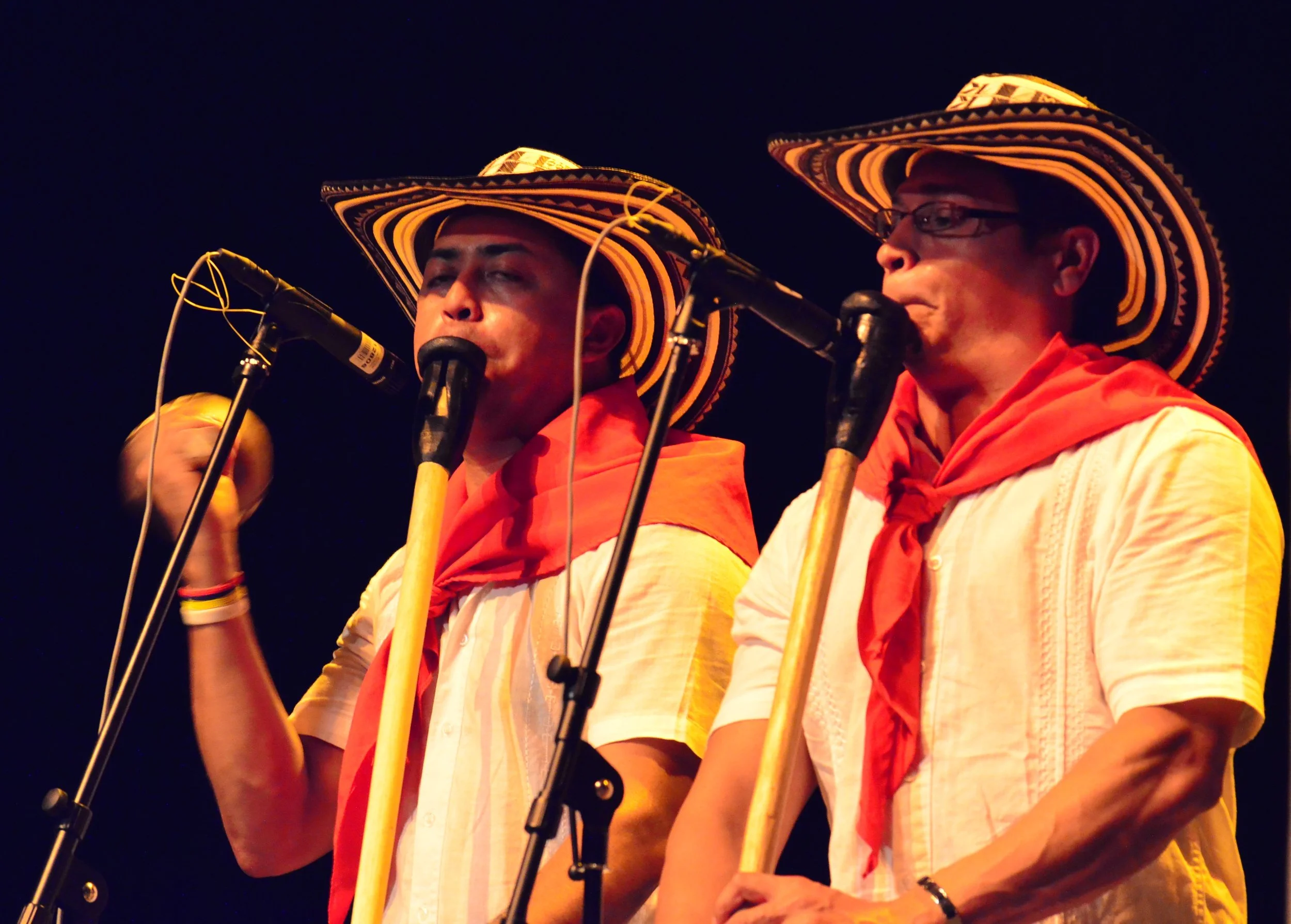
Gaita Hembra: The Lead Melodic Voice
The gaita hembra, or female gaita, is usually the lead melodic instrument in a traditional gaita ensemble.
It typically has five finger holes and carries the main melody. In performance, this is often the line listeners notice first. The gaita hembra sings over the drums, shaping the tune while the rest of the ensemble supports, answers, and drives the rhythm forward.
In the older paired flute system, the gaita hembra was not meant to stand completely alone. It worked with the gaita macho. The two flutes created a relationship of lead and support, melody and foundation, movement and balance.
Gaita Macho: The Accompanying Flute
The gaita macho, or male gaita, is the counterpart to the gaita hembra.
Instead of carrying the main melody, the gaita macho usually plays shorter repeated patterns. It often has two finger holes and creates a rhythmic and harmonic base underneath the gaita hembra.
One of the most important details is that, in many traditional paired-gaita settings, the gaita macho player also plays the maraca at the same time. That means the maraca was not always a separate percussion role in older gaita ensembles. It was often built directly into the performance of the macho player.
That combined role matters. The musician is not just adding a rattle on top of the flute part. The flute and maraca work together to create the internal pulse of the ensemble.
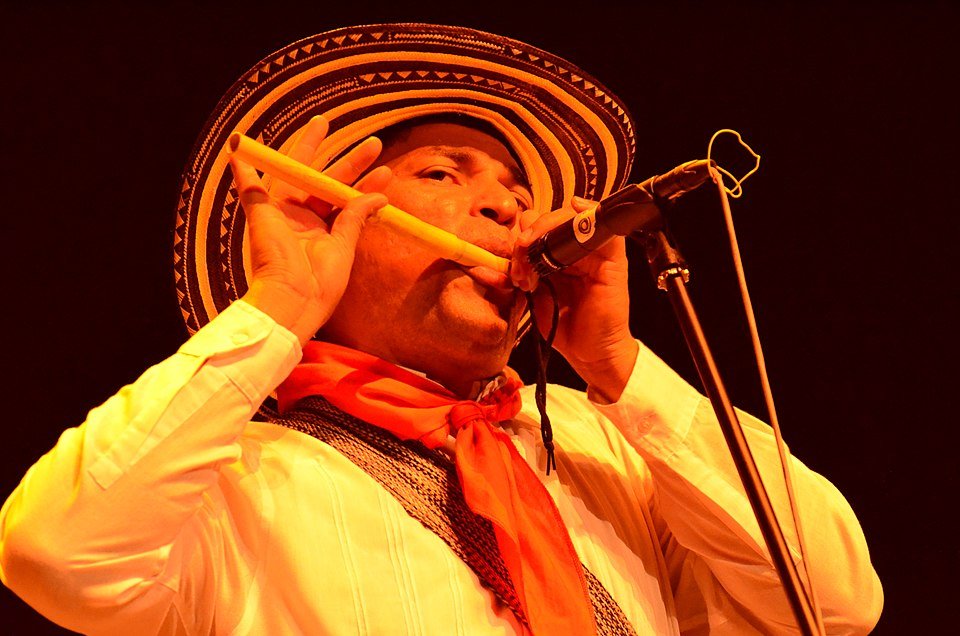
Caña de Millo: The Bright Reed Voice of Cumbia
The caña de millo, also called flauta de millo, pito atravesao, pito atravesado, carrizo, or bambú, is another traditional Colombian wind instrument closely tied to the Caribbean coast.
It is especially important in cumbia traditions from areas such as Atlántico and Magdalena, where it often serves a role similar to the gaita. In these regions, the caña de millo can become the lead melodic voice of the ensemble.
Unlike the long gaita, the caña de millo is a shorter transverse instrument. It is usually made from cane, reed, millet, sorghum stalk, palm, or similar plant material. The tube is open at both ends, and a vibrating reed or tongue is cut from the same material as the body of the instrument. It typically has four finger holes and is played sideways.
Its sound is sharp, nasal, buzzing, and highly expressive. If the gaita feels like a long, ancient call, the caña de millo feels more biting and agile. It can dance through a melody with quick turns, bends, and rhythmic accents that make it one of the defining sounds of cumbia de millo.
How the Caña de Millo Is Played
The caña de millo is unusual because players can produce sound in several different ways.
A musician can blow air through the reed, inhale through the reed to reach higher notes, use a throat vibration sometimes described like a gargling effect, or cover part of the tube while blowing to create a sound known as tapa’o.
That variety gives the instrument a flexible, almost vocal quality. A skilled cañamillero can shape melody, rhythm, tone, and expression all at once.
Caña de millo ensembles, often called grupos de millo, commonly include drums and percussion such as:
tambor alegre + tambor llamador + tambora + maracas
In this setting, the caña de millo often leads the melody while the drums create the rhythmic drive underneath it. The result is one of the most energetic and recognizable sounds of Colombian Caribbean cumbia.
Hojita: The Leaf as an Instrument
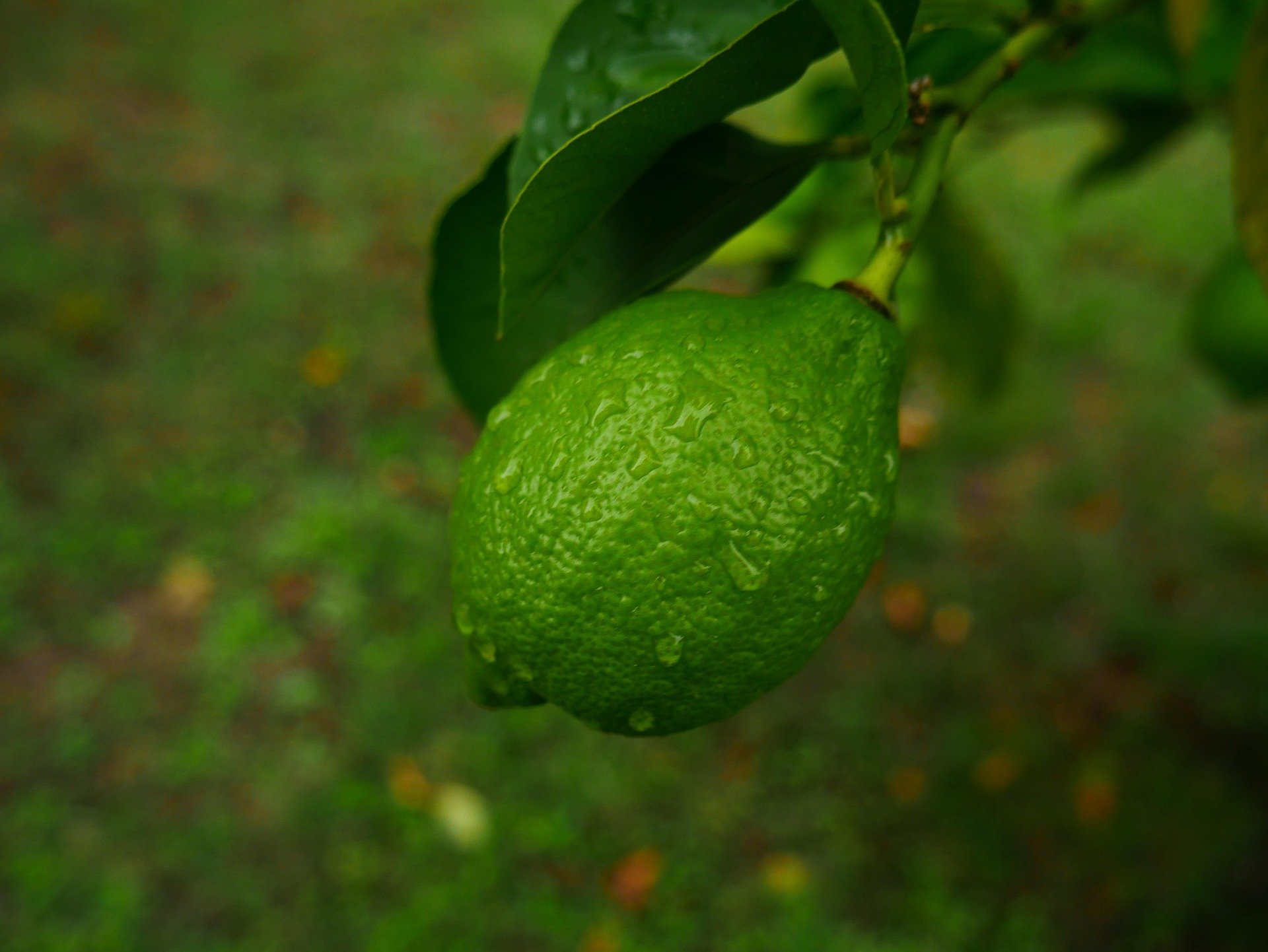
The hojita is one of the simplest and most poetic Colombian folk instruments. It is made from a leaf.
A player folds a leaf, places it between the lips, and directs air through it. The leaf vibrates, and the player’s mouth acts as a resonating chamber. By changing the shape of the mouth, the pressure of the lips, and the flow of air, a skilled player can change pitch and tone.
In the hands of someone who knows the tradition, the hojita is not just a novelty. It can carry complete melodies.
The instrument is commonly associated with places such as Santander and Cundinamarca, but it has special importance in Córdoba. In Córdoba, especially in places connected to porro traditions, bands of hojitas are part of local musical culture. The hojita is often considered a child’s first introduction to music before joining traditional wind bands.
Common leaves used for hojita playing include:
guava + orange + lemon + mandarin
Some Indigenous and rural communities in the Americas also use leaf or grass-leaf instruments, including traditions connected to Piaroa communities. Those traditions are distinct, but they point to a broader idea: music can begin with the natural materials closest to hand.
The Hojita in Colombian Folklore
The hojita shows how Colombian folk musicians create music from the environment around them.
In Córdoba, musicians use the hojita to perform traditional genres such as porro, bullerengue, and fandango. The tradition is often passed down informally, through family, neighbors, observation, and community practice. A child hears someone play. They try it. An older relative shows them how to hold the leaf. Little by little, a simple leaf becomes a musical voice.
That is part of the beauty of the instrument. It requires no factory, no expensive materials, and no formal training to begin. It reflects creativity, resourcefulness, and a close relationship with nature.
In places like San Pelayo, Córdoba, the ability to play traditional melodies on a leaf is a source of local pride. The hojita reminds us that Colombian folklore is not only found in concert halls or professional ensembles. It also lives in patios, streets, family gatherings, and childhood play.
Tambor Alegre: The Lead Drum
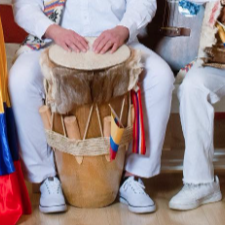
The tambor alegre is an Afro-Colombian drum from Colombia’s Caribbean region. It is also known as hembra, mayor, or quitambre.
This drum has a single drumhead and is traditionally made from a hollowed tree trunk with an animal-hide head. Its tension can be adjusted with ropes and wooden wedges. It is usually played with the hands, though some traditions may use padded sticks.
The tambor alegre is the expressive drum in the ensemble. It does not simply mark time. It listens, responds, decorates, and improvises.
Where the gaita hembra carries the melody, the tambor alegre adds rhythmic conversation. It often follows the melodic line and adds more complex figures at the ends of phrases. In that sense, it acts almost like a second lead voice — not melodic in pitch, but expressive in rhythm.
That is one reason the alegre is such an exciting instrument to watch live. A good player can make the drum speak. The pattern is there, but so is personality.
Tambor Llamador: The Drum That Holds the Pulse
The tambor llamador is another Afro-Colombian drum and one of the essential percussion instruments of Colombian Caribbean music. It is also known as macho or yamaró.
Unlike the tambor alegre, the llamador is not mainly an improvising drum. Its job is to keep time.
The llamador maintains the pulse and cadence of the ensemble. It gives the music its rhythmic floor, allowing the gaita and tambor alegre to move freely above it. In traditional performance, this steady role is what keeps the group together.
There are different styles of tambor llamador. The de pecho style is common in the Montes de María region and is often used with gaitas. It is smaller, positioned across the seated musician’s legs, and played with one hand. The de pie style is common in Atlántico and Magdalena, often used in caña de millo ensembles, and is played upright with both hands.
The llamador may not always draw the most attention, but without it, the music loses its center.
Tambora: The Deep Drum with a More Complicated History
The tambora is a traditional Afro-Colombian bass drum. It has a cylindrical wooden body with drumheads on both ends and is usually played with wooden sticks called baquetas.
In many Colombian traditions, the tambora is a foundational instrument. It is strongly associated with coastal music, Carnival celebrations, religious events, saint festivals, wakes, and community gatherings. It is also heard in cumbia contexts and in major cultural events such as the Barranquilla Carnival and the National Cumbia Festival in El Banco, Magdalena.
But when talking specifically about older gaita ensembles, the tambora needs a more careful explanation.
Today, many people imagine a traditional gaita or cumbia ensemble as:
gaita hembra + gaita macho + maraca + tambor alegre + tambor llamador + tambora
That lineup is familiar now, and many audiences recognize it as part of the modern sound of Colombian gaita music. Historically, though, the older San Jacinto gaita ensemble appears to have centered on a smaller structure:
gaita hembra + gaita macho + maraca + tambor alegre + tambor llamador
In other words, the tambora was not always part of the older gaita ensemble.
Its later incorporation is often linked to the growth of staged performance, touring, and the influence of other Afro-Colombian coastal ensembles. After groups such as Los Gaiteros de San Jacinto began performing nationally and internationally in the mid-20th century, the tambora’s deeper sound likely helped fill larger theaters and concert spaces. It also expanded the ensemble’s low-frequency range, giving the music more weight on stage.
That does not make the tambora any less Colombian or any less important. It simply means its role in gaita music developed over time. This distinction matters because Colombian folklore is not frozen. It changes as musicians travel, perform, adapt, and bring regional traditions into new spaces.
Indigenous, Afro-Colombian, and Rural Roots
The instruments of Colombian Caribbean folk music reflect the region’s layered history.
The gaita, caña de millo, and maraca point strongly to Indigenous traditions and natural materials. Their construction and performance practices connect them to communities that lived in the Americas long before European arrival.
The drums — especially the tambor alegre, tambor llamador, and tambora — reflect the deep influence of Afro-Colombian communities along Colombia’s coastal regions. These drums are not just instruments of rhythm. They are instruments of gathering, celebration, memory, and cultural continuity.
The hojita adds another layer. It reflects rural imagination and the ability to create music from the natural environment itself. A leaf becomes a melody. A child’s game becomes a pathway into musical life.
When these sounds come together, they tell a larger story about Colombia itself: a country shaped by many peoples, many regions, and many ways of keeping culture alive.
Why Colombian Folk Instruments Still Matter Today
Colombian folk instruments continue to matter because they carry history in a way people can hear and feel.
They are used in festivals, parades, dances, workshops, school programs, community events, and professional performances. They connect younger generations to older traditions. They also help people outside Colombia understand the depth and diversity of Colombian culture beyond popular music alone.
For Alma Caribe Dallas, these instruments are part of a living practice. Every performance and workshop is a chance to share not just the sound of Colombian Caribbean music, but the stories behind it: where the instruments come from, how they are played, and why they still bring people together.
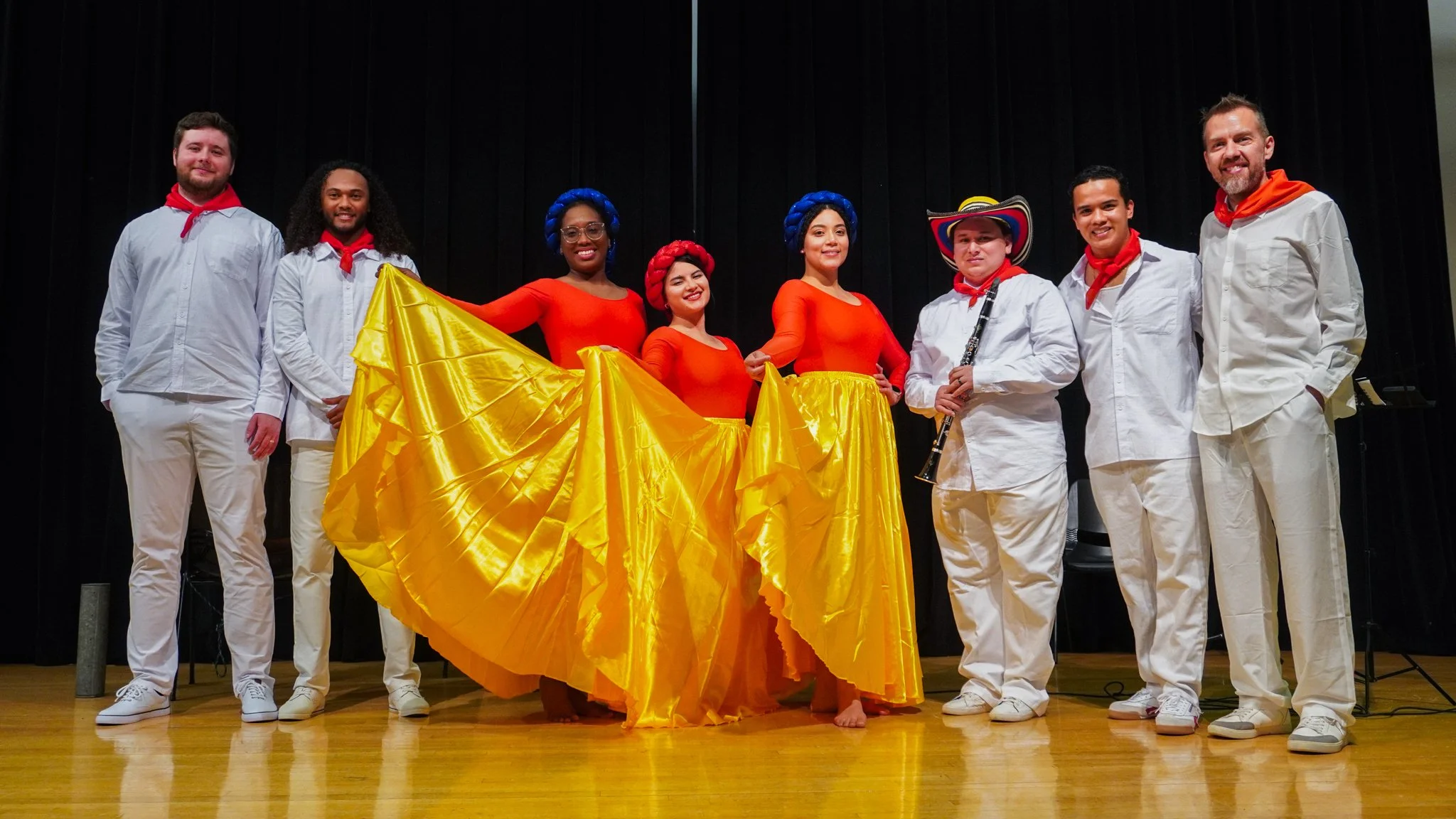
Learn Colombian Folk Music with Alma Caribe Dallas
Alma Caribe Dallas shares Colombian Caribbean music through live performances, cultural events, educational workshops, and community engagement.
Whether you are hearing the gaita for the first time, learning the difference between the tambor alegre and tambor llamador, or seeing how a simple hojita can become an instrument, these sounds offer a powerful entry point into Colombian folklore.
To experience these traditions in person, connect with Alma Caribe Dallas for performances, workshops, and cultural events throughout the Dallas area.
Frequently Asked Questions
Colombian Folk Instruments FAQ
Quick answers to common questions about gaitas, caña de millo, Colombian drums, maracas, tambora, hojita, and the instruments behind cumbia and Caribbean Colombian folklore.
01 What are Colombian folk instruments?
Colombian folk instruments are traditional instruments used in Colombia’s regional music, dance, and community traditions. In Caribbean Colombian music, some of the most important instruments include the gaita, caña de millo, tambor alegre, tambor llamador, tambora, maracas, gaita corta, and hojita.
02 What is the most famous Colombian folk instrument?
The gaita is one of the most iconic Colombian folk instruments, especially along the Caribbean coast. Maracas and drums such as the tambor alegre, tambor llamador, and tambora are also widely recognized because of their connection to cumbia, festivals, and traditional dance.
03 What instruments are used in Colombian cumbia?
Traditional Colombian cumbia can include gaitas, caña de millo, tambor alegre, tambor llamador, tambora, maracas, and other regional percussion. The exact lineup depends on the region and ensemble style. Gaita ensembles and millo ensembles are related, but they are not always the same.
04 What instruments are in a traditional gaita ensemble?
A traditional gaita ensemble is often built around gaita hembra, gaita macho, maraca, tambor alegre, and tambor llamador. In many modern performances, tambora is also included, but older San Jacinto-style gaita ensembles appear to have used a smaller lineup before the tambora became more common on stage.
05 What is a Colombian gaita?
A Colombian gaita is a traditional Indigenous wind instrument strongly associated with the Caribbean coast. It is usually made from cardón cactus, beeswax, charcoal, and a bird feather quill. Its sound is reedy, direct, and deeply connected to cumbia and gaita music.
06 What is the difference between gaita hembra and gaita macho?
The gaita hembra usually plays the lead melody and typically has five finger holes. The gaita macho usually plays shorter repeated patterns underneath the melody and often has two finger holes. In many traditional settings, the gaita macho player also plays the maraca at the same time.
07 What is a gaita made of?
A traditional Colombian gaita is commonly made from a hollow cardón cactus stem. The head is made with beeswax and charcoal, and the mouthpiece is made from a bird feather quill. These natural materials are part of what gives the gaita its distinctive voice.
08 What is caña de millo?
The caña de millo, also called flauta de millo or pito atravesao, is a traditional Colombian wind instrument used in Caribbean cumbia. It is usually made from cane or similar plant material, played sideways, and produces a bright, buzzing, highly expressive sound.
09 What is the difference between gaita and caña de millo?
The gaita is a longer Indigenous flute traditionally made from cardón cactus with a beeswax head and feather quill. The caña de millo is shorter, played transversely, and uses a vibrating reed cut from the same plant material as the instrument. Both can lead melodies in Colombian Caribbean music, but they belong to different regional performance traditions.
10 Is caña de millo the same as pito atravesao?
Yes. Caña de millo is also known as flauta de millo, pito atravesao, pito atravesado, carrizo, or bambú, depending on the region and local naming tradition.
11 What are the main Colombian drums in Caribbean folk music?
The main drums discussed in Colombian Caribbean folk music are the tambor alegre, tambor llamador, and tambora. The tambor alegre is expressive and improvisational, the tambor llamador keeps the steady pulse, and the tambora adds a deeper bass foundation in many coastal traditions.
12 What is the tambor alegre?
The tambor alegre is an Afro-Colombian hand drum from Colombia’s Caribbean region. It often functions as the lead drum, answering the melody, decorating the rhythm, and improvising at the ends of musical phrases.
13 What is the tambor llamador?
The tambor llamador is a smaller Afro-Colombian drum that keeps time in many Caribbean Colombian ensembles. Its role is less about improvisation and more about holding the pulse so the melody and lead drum can move around it.
14 What is the difference between tambor alegre and tambor llamador?
The tambor alegre is the more expressive lead drum. It improvises, responds, and adds rhythmic color. The tambor llamador is the timekeeping drum. It keeps the ensemble grounded with a steady pulse and does not usually perform the same kind of ornamental variations.
15 What is the tambora?
The tambora is a traditional Afro-Colombian bass drum with drumheads on both ends. It is usually played with wooden sticks called baquetas and is strongly connected to cumbia, coastal festivals, religious gatherings, community celebrations, and Carnival traditions.
16 Was the tambora always part of traditional gaita ensembles?
Not necessarily. In older San Jacinto-style gaita ensembles, the core group appears to have centered on gaita hembra, gaita macho, maraca, tambor alegre, and tambor llamador. The tambora became more common later in many staged and modern performances, likely because its deeper sound helped fill larger spaces and strengthen the low end of the ensemble.
17 What are maracas used for in Colombian music?
Maracas provide pulse, texture, and rhythmic lift. In many traditional gaita settings, the maraca is connected to the gaita macho player, who plays flute and rattle together. In Llanero music, maracas can be highly complex and virtuosic.
18 What is a maracón?
A maracón is a larger rattle related to the maraca tradition. In Colombian Caribbean music, maracas and maracones help maintain the pulse and add rhythmic texture around the flutes and drums.
19 What is the hojita instrument?
The hojita is a traditional leaf instrument. A player folds a leaf, places it between the lips, and directs air through it so the leaf vibrates. Skilled players can change pitch and tone with the mouth and breath, allowing them to play complete melodies.
20 Where is the hojita played in Colombia?
The hojita is associated with several regions, including Santander and Cundinamarca, but it has special importance in Córdoba. In places connected to Córdoba’s musical traditions, leaf playing can be tied to porro, bullerengue, fandango, and childhood introductions to music.
21 Which Colombian folk instruments have Indigenous roots?
The gaita, caña de millo, and maraca are strongly connected to Indigenous traditions and natural materials. These instruments reflect a long history of music-making that existed in the Americas before European arrival.
22 Which Colombian folk instruments have Afro-Colombian roots?
The tambor alegre, tambor llamador, and tambora reflect the deep influence of Afro-Colombian communities along Colombia’s coastal regions. These drums are central to rhythm, dance, celebration, and cultural memory.
23 Which Colombian folk instrument is easiest for beginners?
For beginners, maracas are often one of the easiest instruments to start with because they teach pulse and basic rhythmic coordination. The hojita can also be an accessible introduction because it uses a simple leaf, though playing melodies on it takes practice. Drums and gaitas usually require more technique and guided learning.
24 Where can I learn about Colombian folk instruments in Dallas?
Alma Caribe Dallas shares Colombian Caribbean music through live performances, workshops, cultural events, and community education. These settings are a great way to hear the instruments in context and learn how gaita, caña de millo, drums, maracas, and dance work together.